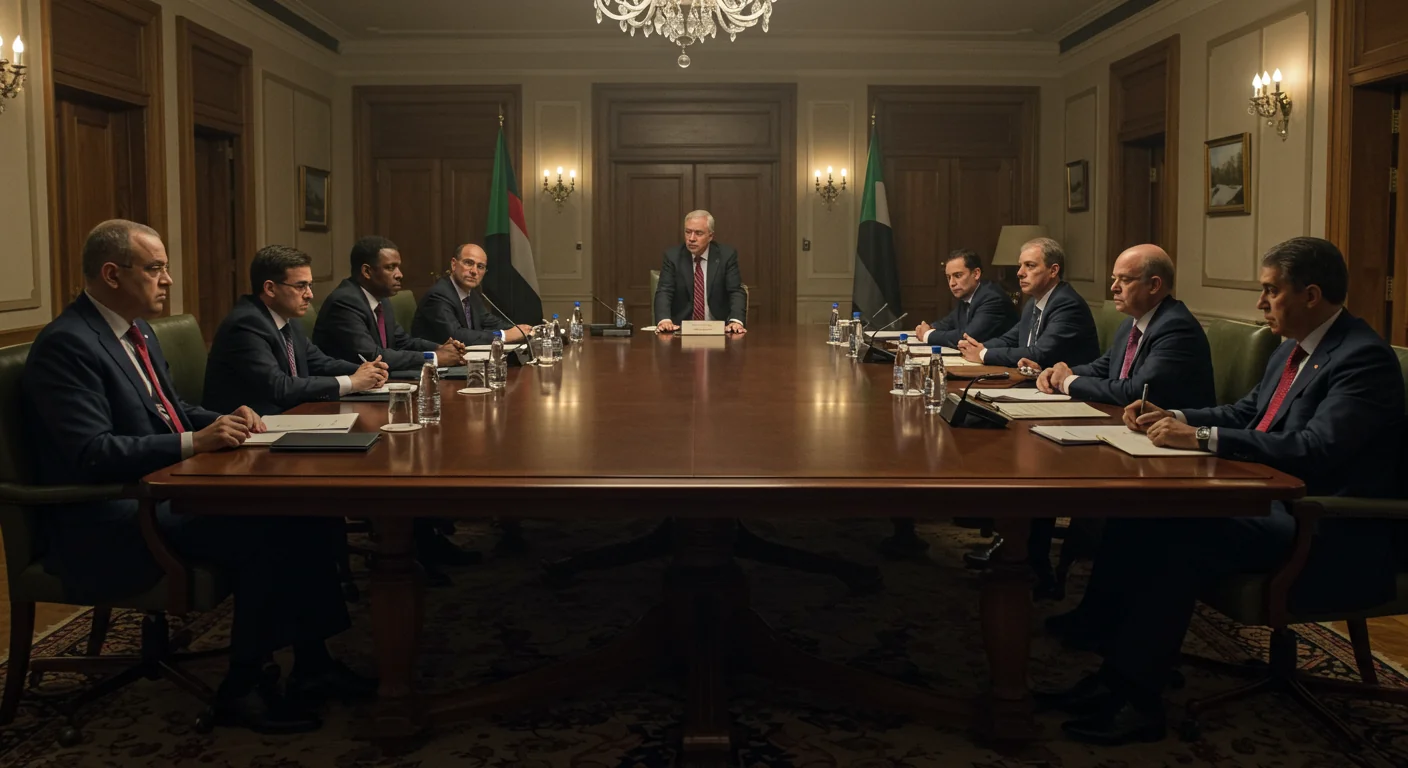
Keir Starmer stood in Brussels on Wednesday to sign the most consequential agreement between Britain and the European Union since the 2016 referendum, a strategic partnership that rewires defense cooperation, slashes trade barriers on food exports, and attempts to reverse the collapse of European student enrollment in British universities.
The deal, built on the Lancaster House framework agreed in May 2025, moves both sides past the combative post-Brexit years that saw disputes over Northern Ireland, fishing rights, and customs checks define the relationship. But with youth mobility talks deadlocked and defense funding still unresolved, the ceremony marked a beginning as much as a milestone.
The Lancaster House Foundation
The groundwork was laid on May 19, 2025, when Starmer hosted European Commission President Ursula von der Leyen and European Council President Antonio Costa at Lancaster House in London for the first formal UK-EU summit since withdrawal.
Three documents emerged: a joint political statement, a security and defense partnership, and a "Common Understanding" framework covering everything from sanitary standards to energy trading. Nick Thomas-Symonds, the minister for EU relations whom Westminster dubbed the "Brexit Reset Minister," led months of technical negotiations that followed.
The economic stakes were substantial. UK government estimates project the measures will boost the economy by 10.7 billion euros over 15 years. More immediately, a new agreement on sanitary and phytosanitary standards aims to eliminate Export Health Certificates, saving businesses up to 200 pounds per consignment.
From Confrontation to Coordination
The shift did not happen in a vacuum. Two forces pushed London and Brussels together: the war in Ukraine and shifting American foreign policy under a second Trump administration.
Britain's January 2025 "100-Year Partnership" with Ukraine had already signaled a willingness to build deep strategic ties outside traditional frameworks. The EU, meanwhile, was assembling its Security Action for Europe defense fund and wanted British participation, though the price tag remained contentious.
Brussels has asked for a UK contribution of between 2 billion and 6 billion euros to join the SAFE fund. London has not committed to a figure. David Lammy, the foreign secretary who co-negotiated the defense partnership, has argued that Britain's bilateral security commitments, including forward-deployed troops in Estonia and a nuclear deterrent, should count as in-kind contributions.
KEY STAT: UK agri-food exports to the EU fell 21% between 2018 and 2024, while imports dropped 7% — a decline the new SPS agreement is designed to reverse.
Where the Talks Stalled
The deal's most visible gap is youth mobility. EU student intake at British universities has cratered from 27% of the international student population to just 5% for the 2026-27 academic year, a decline driven by post-Brexit fee increases that put UK tuition beyond reach for most European families.
The EU wants fee reform. Britain wants access to the EU's internal electricity market. A proposed "Youth Experience Scheme" would trade lower tuition costs for energy market integration, but the Parliamentary Partnership Assembly meeting in Brussels on March 16 ended with EU negotiators warning that talks are "deadlocked."
Maros Sefcovic, the European Commission vice-president who leads the EU's negotiating team, said this week that "negotiations are in danger of foundering" before the next summit, scheduled for early July in Brussels. The warning carried weight: Sefcovic has been the EU's point person on UK relations since the original Brexit withdrawal agreement.
The Critics' Case
Not everyone in Westminster sees a reset worth celebrating.
Emily Thornberry, chair of the House of Commons Foreign Affairs Committee, published a report in March concluding that the partnership lacks "direction, definition, and drive." The committee found that the EU has "achieved more concrete progress towards their most pressing demands than the UK," pointing to the fisheries extension and defense fund contributions as areas where Brussels extracted concessions without matching reciprocity.
From the opposite flank, Nigel Farage and Reform UK have branded the SPS agreement a "Brexit betrayal," arguing that dynamic alignment with EU food standards forces Britain to follow rules set in Brussels without any vote or veto.
- First formal UK-EU summit since Brexit held May 2025
- Fisheries access extended 12 years to June 2038
- Youth mobility talks deadlocked over tuition fees
- Next summit scheduled for early July 2026 in Brussels
- Full SPS agreement targeted for mid-2027 implementation
The National Farmers' Union has taken a more measured position, lobbying for specific exemptions in the dynamic alignment framework to protect UK agricultural practices that diverge from EU regulations, particularly around gene-edited crops and hormone-free beef standards.
What Comes Next
The July summit in Brussels will determine whether the partnership delivers substance or stalls at symbolism. Three items dominate the agenda.
First, Erasmus Plus re-entry. Britain's departure from the student exchange program in 2021 remains one of Brexit's most personally felt consequences for young people on both sides of the Channel. Negotiations are advanced but unfinished.
Second, emissions trading linkage. Connecting Britain's carbon market to the EU's Emissions Trading System would create the world's largest carbon pricing bloc. Technical work is underway, but political agreement requires resolving disputes over carbon border adjustment mechanisms.
Third, the defense funding question. Without a clear British commitment to the SAFE fund, EU member states have signaled reluctance to grant the kind of procurement access and intelligence-sharing arrangements that London wants.
Starmer's government has framed the partnership as proof that post-Brexit Britain can maintain sovereignty while rebuilding the economic and security ties that frayed after 2016. Whether that framing survives contact with the negotiating table in July will determine whether the Brussels signing ceremony marked a genuine turning point or another chapter in a relationship defined by ambition outrunning agreement.