The United States has twelve days to deliver what two years of war and multiple mediators have failed to produce: a permanent ceasefire in Sudan.
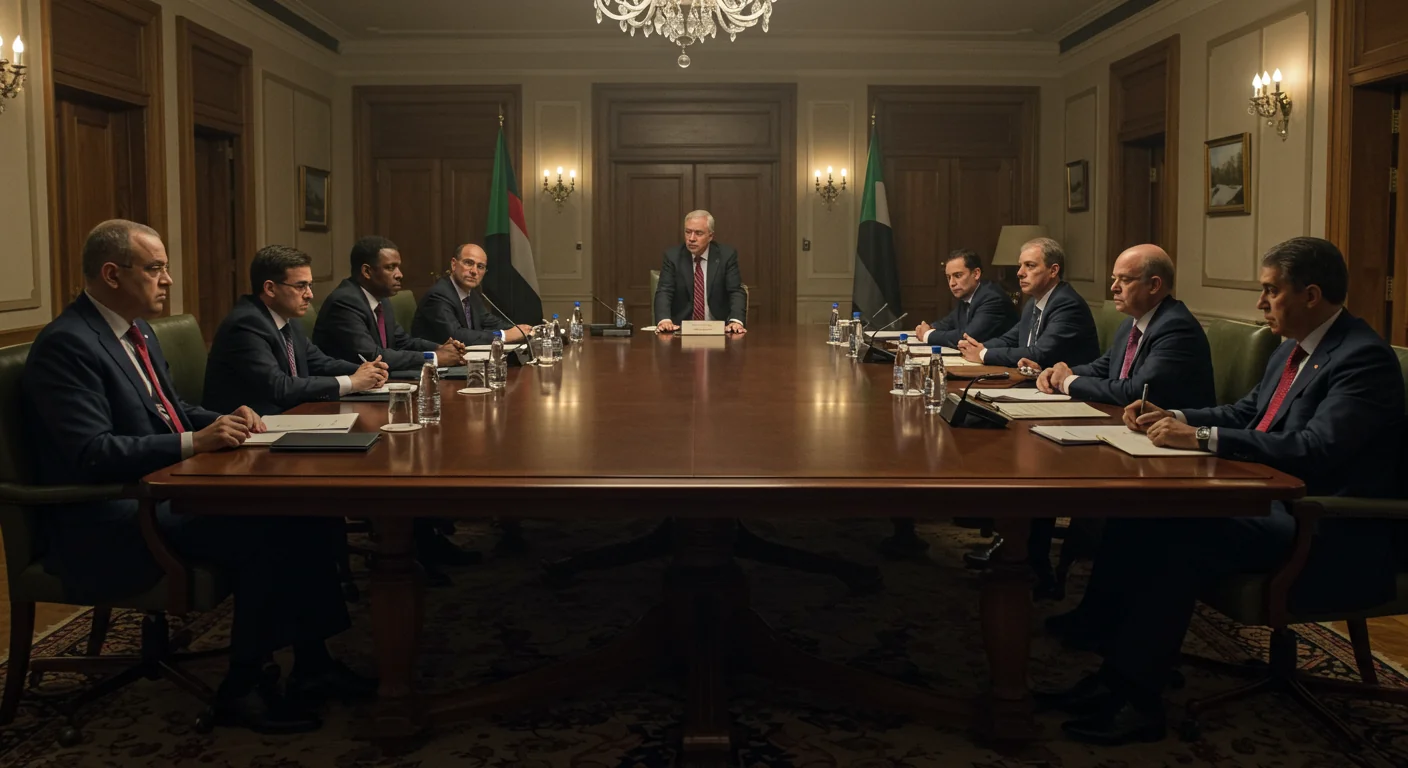
The Board of Peace, a US-led international body established on January 15, has set March 31 as its target date to secure a binding agreement between the Sudanese Armed Forces and the Rapid Support Forces. With General Abdel Fattah al-Burhan rejecting fresh truce proposals on March 16 and the RSF launching a new offensive in North Kordofan, the deadline appears increasingly difficult to meet.
Background
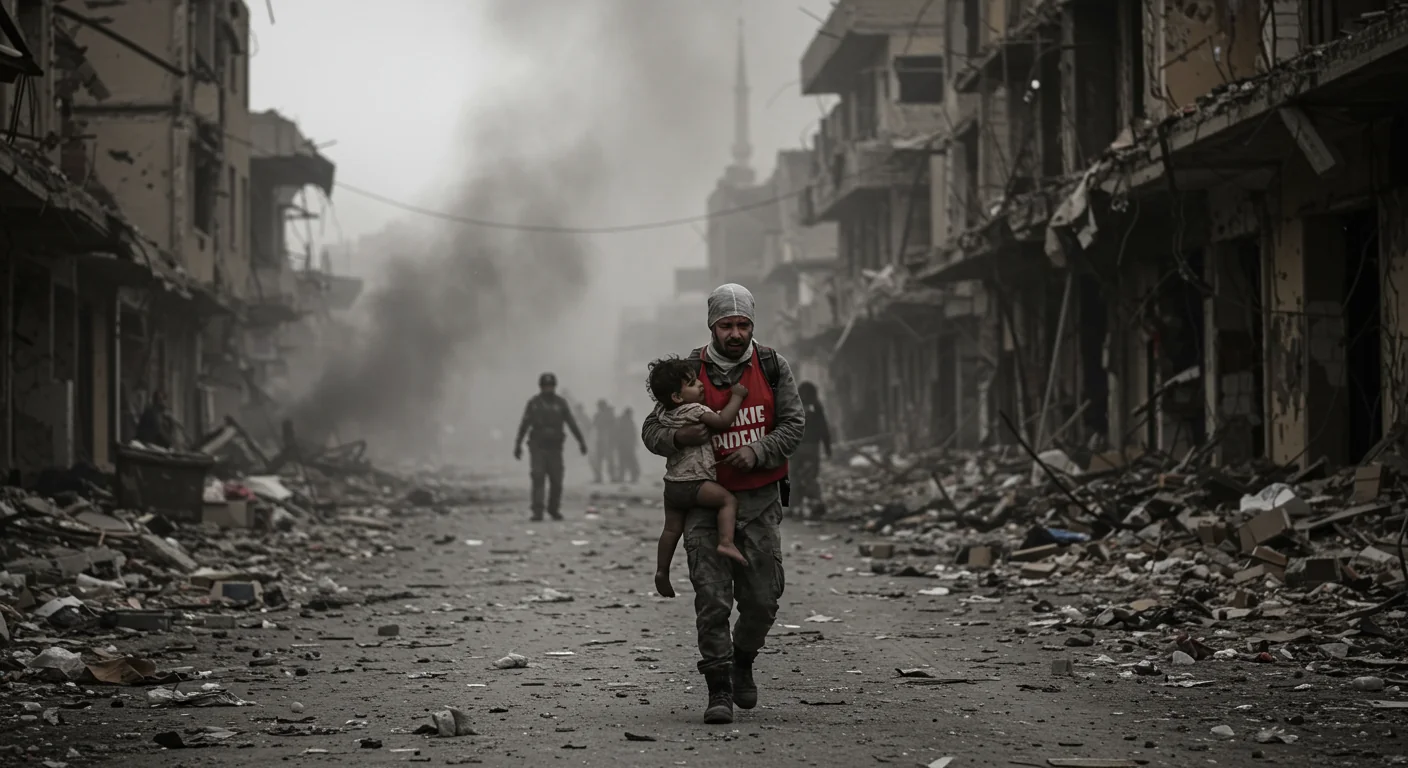
Sudan's civil war erupted in April 2023 when tensions between al-Burhan's SAF and General Mohamed Hamdan "Hemedti" Dagalo's RSF escalated into open combat. What began as a power struggle between two military factions has since killed more than 400,000 people and displaced 14 million, making it the world's largest displacement crisis.
Previous mediation efforts, including Saudi-brokered talks in Jeddah, produced temporary truces that neither side honored. The Board of Peace was created to bypass stalled United Nations processes and apply direct diplomatic pressure, but its mandate carries no enforcement mechanism beyond the threat of further sanctions and isolation.
Key Details
The peace process has been further complicated by the RSF's move to establish a rival government. In February 2025, the RSF and a coalition of 24 political parties, 10 civil society organizations, and five armed groups signed the Nairobi Charter in Kenya, creating the Sudan Founding Alliance. A month later, signatories unveiled a transitional constitution intended to replace Sudan's 2019 framework.
The SAF-led government in Port Sudan has dismissed these agreements as illegitimate and accused Kenya of violating international law by hosting the process. Al-Burhan stated on March 16 that no truce is possible until the RSF "withdraws from occupied civilian territory."
On the same day, Washington designated the Sudanese Muslim Brotherhood as a Foreign Terrorist Organization, a move that complicates al-Burhan's diplomatic position given the group's ties to elements within the SAF's political support base.
The humanitarian numbers are stark. According to the March 2026 UN Humanitarian Needs and Response Plan, 33.7 million people require assistance, 60 percent of them children. In Darfur and Kordofan, 18.4 million face catastrophic food insecurity. The $2.9 billion aid appeal for 2026 is only 12 percent funded.
Sudan's GDP has contracted by an estimated 42 percent since fighting began.
Impact
The RSF's parallel governance structure has transformed the conflict from a military contest into a political partition. Analysts warn that by moving from ceasefire negotiations to constitution-drafting in a foreign capital, the RSF has signaled it no longer seeks accommodation with the SAF but rather aims to replace it.
The United Nations has expressed concern that this trajectory mirrors Libya's fragmentation into competing governments, a scenario that prolonged instability there for over a decade.
Former Prime Minister Abdalla Hamdok's civilian coalition, Tagaddum, occupies an uncomfortable middle ground. While it participated in earlier Nairobi declarations calling for a secular democratic state, it remains distinct from the RSF's military-led alliance, leaving Sudan's pro-democracy movement fractured at the moment it is most needed.
For neighboring countries, the spillover is already severe. Chad, South Sudan, Egypt, and Ethiopia are absorbing 4.5 million refugees with limited international support. Kenya's role as host of the RSF's political process has strained its relations with the SAF government and raised questions about Nairobi's neutrality as a regional mediator.
What's Next
If the March 31 deadline passes without agreement, the Board of Peace has signaled it may push for a protected humanitarian zone enforced by international peacekeepers, potentially bypassing the UN Security Council where Russia and China have historically blocked action on Sudan.
A UN fact-finding mission is expected to deliver a final verdict on genocide allegations in El-Fasher, the last major city in Darfur not under RSF control, by late April. A finding of genocide would increase pressure for international intervention but could also harden both sides against compromise.
The fundamental obstacle remains unchanged. Neither al-Burhan nor Hemedti believes he is losing. Both command sufficient territory, resources, and external backing to continue fighting. Until that calculation shifts, diplomatic deadlines risk becoming markers of failure rather than instruments of peace.