Jakarta's days as Indonesia's seat of power are numbered. The government has begun transferring the first wave of civil servants to Nusantara, a purpose-built capital carved from Borneo's rainforest, marking the most ambitious urban relocation project attempted by any nation this century.
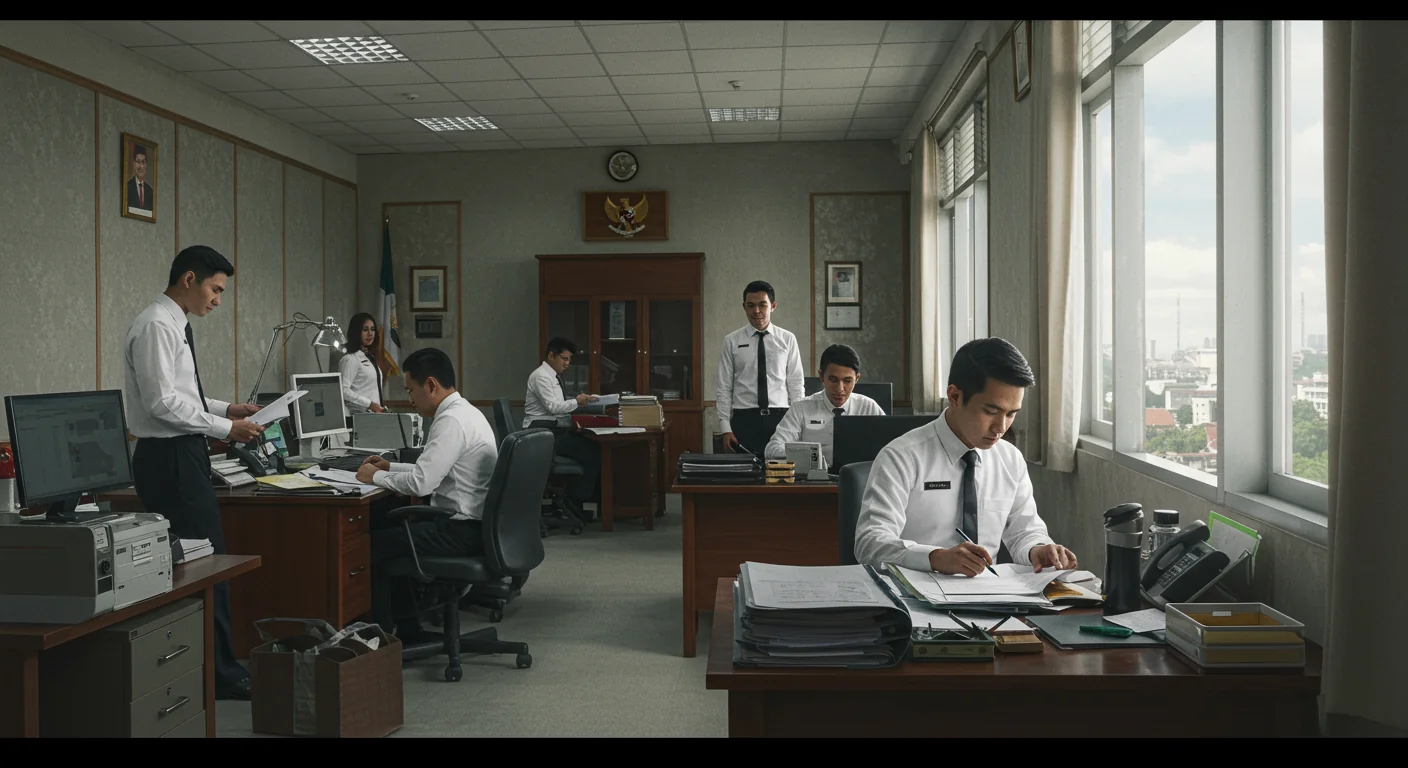
Between 1,700 and 4,100 government employees will move to the city in East Kalimantan province over the coming months, joining a skeleton crew that has staffed preliminary offices since late 2024. The relocation follows President Prabowo Subianto's signing of Presidential Regulation No. 79/2025, which designated Nusantara as Indonesia's "political capital" with a target completion date of 2028.
Seven Years From Announcement to First Movers
The idea of moving Indonesia's capital predates the current administration by decades, but took concrete shape on August 16, 2019, when President Joko Widodo used his annual state address to formally propose the shift. Parliament passed the legal framework in January 2022, and bulldozers broke ground six months later.
The city spans 2,561 square kilometers across the Penajam Paser Utara and Kutai Kartanegara regencies, roughly 1,200 kilometers northeast of Jakarta. Its core development zone covers 6,671 hectares, with a legal mandate that 65 percent of the total area must remain forested.
The $35 Billion Gamble on Borneo
Nusantara's price tag stands at roughly 523 trillion rupiah, or between $32 billion and $35 billion. The government designed the financing to lean heavily on private capital: only 20 percent comes from the state budget, with the remaining 80 percent expected from private and foreign investment through public-private partnerships.
That ratio has proven difficult to achieve. SoftBank Group, which initially expressed multi-billion-dollar interest, withdrew in March 2022. Foreign investment that has materialized comes primarily from Chinese firm Delonix Group at 500 billion rupiah and Russian company Magnum Estate at 800 billion rupiah. Total realized private investment reached approximately 62 trillion rupiah by mid-2025, well short of projected targets.
The 2026 state budget allocation of 6.3 trillion rupiah represents a significant cut from the 43.4 trillion rupiah spent in 2024, raising questions about whether Prabowo's administration is quietly scaling back ambitions even as it publicly reaffirms commitment.
Why Jakarta Cannot Wait
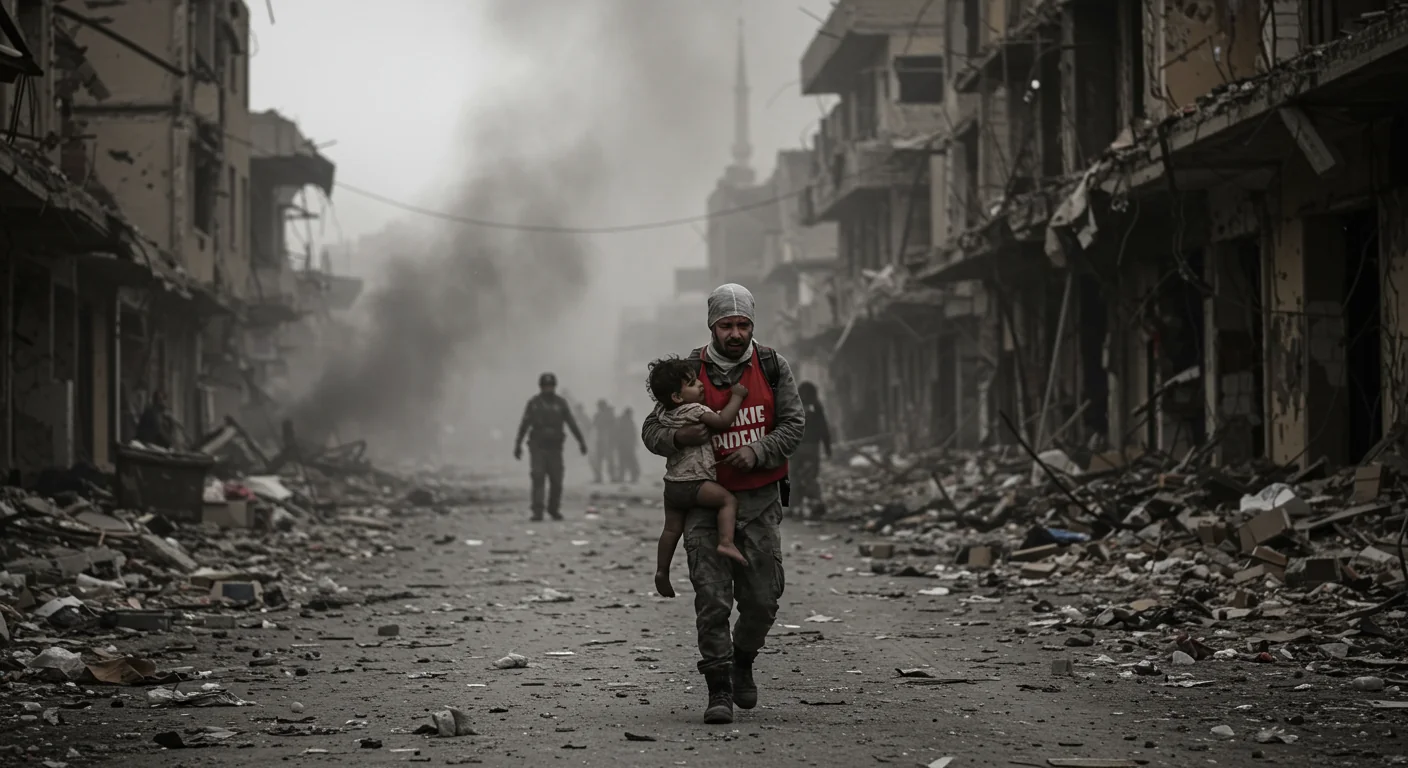
The urgency behind the move is geological. Jakarta is the fastest-sinking city on Earth, with northern districts dropping as much as 25 centimeters per year due to decades of unregulated groundwater extraction. Approximately 40 percent of the city now sits below sea level, exposing more than 10 million residents to worsening flood risk.
Beyond subsidence, the relocation aims to address what planners call "Java-centrism." The island of Java holds 56 percent of Indonesia's 280 million people and generates nearly 60 percent of national GDP, despite comprising just 7 percent of the country's land area. Nusantara is intended to pull economic gravity eastward, with projections of 4.3 to 4.8 million jobs created in East Kalimantan by 2045.
But critics argue the government is treating symptoms rather than causes. "If the relocation is a genuine climate solution, it must not abandon the most vulnerable in Jakarta or Nusantara," noted a ClimaTalk report on the project.
The Rainforest Cost
Constructing a city for 1.9 million people in one of the world's most biodiverse regions carries environmental consequences that have drawn sustained criticism. WALHI, Indonesia's largest environmental advocacy group, estimates that more than 2,000 hectares of mangroves have already been cleared for construction.
Indigenous Balik and Paser communities report displacement and the destruction of sacred sites. "Our sacred stones have been removed. We lose our economy and environment both ways," said Fathur Roziqin Fen of WALHI, describing how traditional livelihoods have been disrupted by construction activity and land reclassification.
KEY STAT: The 65% green-space mandate means roughly 1,664 square kilometers must remain forested, but enforcement mechanisms remain unclear as construction accelerates.
The tension between Nusantara's branding as a "green city" and the reality of large-scale tropical deforestation has become a central point of contention. The Urban+ design studio, which won the original city design competition, envisioned a forest capital. Whether that vision survives budget pressures and construction timelines is an open question.
What Stands Between Plan and Reality
Nusantara's next major milestone is the October 2025 groundbreaking for legislative and judicial complexes that will house the DPR/MPR parliament and Supreme Court. If those buildings stay on schedule, the government aims to have all three branches operating from the new capital by 2028.
The full project unfolds across five development phases extending to 2045, timed to coincide with Indonesia's centenary. That 19-year horizon gives planners room to adjust, but also means the current generation of leaders is committing their successors to a vision they may not share.
Basuki Hadimuljono, the current head of the Nusantara Capital City Authority, replaced the previous leadership after both the head and deputy head resigned in June 2024, a departure that fueled speculation about internal disagreements over pace and priorities.
For the civil servants now packing boxes in Jakarta, the immediate reality is more practical than political. Nusantara remains a construction zone. Housing is limited, commercial amenities are sparse, and the nearest established city of any size is Balikpapan, roughly 100 kilometers to the southeast. They are moving not to a finished capital but to the early stages of one, asked to build institutional capacity in a city that is itself still being built.
Whether Nusantara becomes the transformative project its architects envisioned or an expensive monument to overreach will depend less on the blueprints already drawn than on the sustained political will and private capital needed to fill them. For now, the jungle is giving way to concrete, one hectare at a time.