Neuralink Brings Telepathy Brain Implant Trials to Singapore
Neuralink expands Telepathy brain-computer interface trials to Singapore as the company targets mass production and 2,000 surgeries per year by 2029.
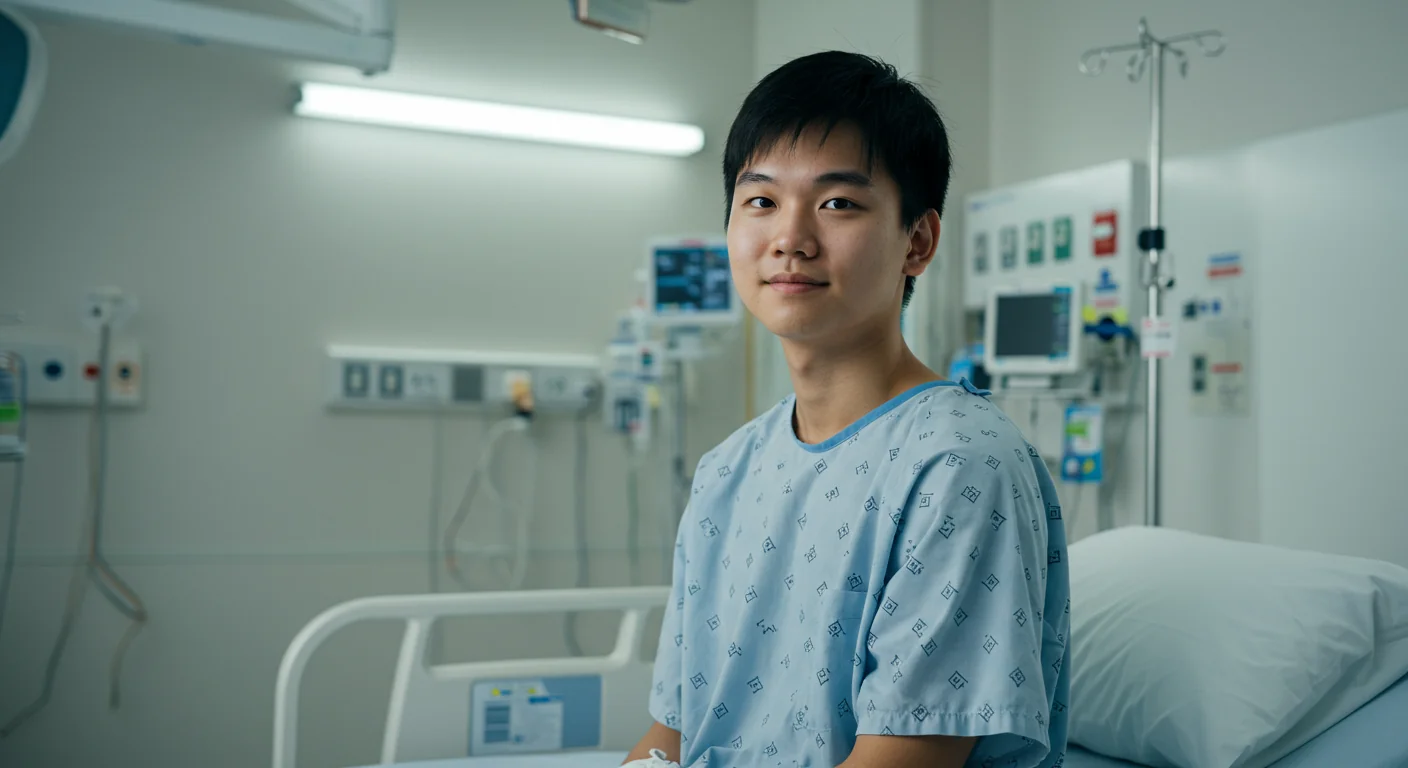
Neuralink has begun testing its Telepathy brain-computer interface at National University Hospital in Singapore, marking the company's first clinical foothold in Asia as it shifts from small-scale trials to high-volume production of the implantable device.
The expansion, confirmed in February 2026, positions Singapore as a regulatory gateway for Neuralink's push into Asian markets. The company now has 21 patients enrolled in global trials, up from 12 in September 2025, with zero serious device-related adverse events reported.
Background
Neuralink implanted its first human patient, Noland Arbaugh, in January 2024. Arbaugh, who is paralyzed, has since demonstrated the ability to control phones and computers using only his thoughts through the Telepathy software interface.
The N1 implant contains 1,024 electrodes distributed across 64 ultra-thin threads, each narrower than a human hair. The company's R1 surgical robot can now insert each thread in 1.5 seconds, a speed improvement that underpins Neuralink's plans for automated, high-throughput surgery.
Elon Musk declared on January 1, 2026, that the year would mark the beginning of mass production and automated surgical procedures. The company raised $650 million in Series E funding in June 2025, pushing its valuation to $9 billion.
Key Details
Singapore's Health Sciences Authority launched a Regulatory Innovation Corridor on January 5, 2026, creating a fast-track pathway for breakthrough medical technologies including brain-computer interfaces. The framework enabled Neuralink to begin test-bedding at NUH within weeks.
Professor Dean Ho, director of the Institute for Digital Medicine at the National University of Singapore, is leading the AI-driven analysis of neural signals collected from local trials. His team is focused on measuring the long-term efficacy and durability of the implant.
"The subsequent work will likely look at the efficacy and durability of the technology" beyond initial demonstrations, Ho said, tempering expectations while acknowledging the hardware's capabilities.
Professor Aymeric Lim of NUH said the technology could transform neurorehabilitation by promoting neuroplasticity and restoring motor function in stroke patients. Singapore's rapidly aging population makes such restoration technologies a national priority under the government's Healthier SG strategy.
The clinical focus in Singapore centers on stroke and spinal cord injury patients, a deliberate choice given the country's demographic pressures. One in four Singaporeans will be over 65 by 2030, creating urgent demand for technologies that restore autonomy.
Impact
Neuralink's Singapore entry intensifies a three-way race in brain-computer interfaces. China's Neuracle Technology received marketing approval in March 2026 for its own BCI device. Synchron, backed by Bill Gates and Jeff Bezos, continues to advance its less invasive approach through blood vessels rather than open brain surgery.
The competitive pressure is driving costs down and timelines forward. Neuralink estimates each surgery will cost approximately $50,000 at commercial scale, a figure that would need to drop significantly for widespread adoption in most healthcare systems.
Bioethicists in Singapore have flagged concerns about data sovereignty. Neural signals represent an unprecedented category of personal data, and questions about who owns, stores, and processes thought-derived information remain largely unanswered by existing regulatory frameworks.
The thread retraction issue discovered in the first human patient also lingers. Some of the 64 threads pulled back from brain tissue after implantation, reducing the number of functioning electrodes. Neuralink has not publicly detailed its engineering fix, though subsequent patients have not reported similar problems.
What's Next
Neuralink's internal targets are ambitious. Documents reviewed by Bloomberg indicate the company plans 2,000 surgeries per year by 2029 and 20,000 per year by 2031. Revenue projections reach $1 billion annually by 2031.
The company is also preparing clinical trials for Blindsight, a second product designed to restore vision. Human implantation could begin later in 2026, with Singapore and the UAE identified as potential trial sites.
By late 2026, Neuralink expects to demonstrate a surgical procedure completed in under 30 minutes with minimal human involvement. That timeline depends on continued regulatory cooperation and the absence of serious adverse events as the patient population grows.
Canada's CAN-PRIME trial, which began in November 2025, was the first non-U.S. clinical site. Singapore is the second. The pace of international expansion will test whether Neuralink's manufacturing and surgical training infrastructure can scale as fast as its ambitions.
For Singapore, the bet is straightforward. A nation built on attracting frontier industries sees brain-computer interfaces as the next sector worth hosting. Whether the technology delivers on its medical promise at scale remains the open question that no amount of regulatory innovation can answer ahead of time.
Tags
Sources
- https://www.businesstimes.com.sg/startups-tech/startups/neuralink-sees-us1-billion-revenue-2031-vast-expansion
- https://m.economictimes.com/tech/technology/elon-musks-neuralink-says-it-has-21-participants-enrolled-in-trials/articleshow/127751709.cms
- https://connectontech.bakermckenzie.com/singapore-health-sciences-authoritys-partnership-with-overseas-regulators-and-focus-on-ai-in-healthcare/
- https://neuralink.com/updates/two-years-of-telepathy/
- https://biz.chosun.com/en/en-science/2026/01/01/FYIOJ3VZ3VA7BPTTENBDEGO4QM/
- https://lpcentre.com/news/china-challenges-us-in-brain-tech
Related Articles

OpenAI GPT-6-Omni Leak Reveals Push Into Autonomous AI Agents
A leaked internal document reveals OpenAI's GPT-6-Omni will feature a persona engine and 2-million-token context window as the AI race shifts to agents.

EU AI Office Sets New AGI Safety Rules for Frontier AI Developers
The European AI Office releases new AGI safety guidelines requiring developers like OpenAI to submit safety cases for models exceeding specific compute limits.

Apple Debuts iPhone 17: 48MP Cameras, A19 Chip, Pre-Order Sept. 12
Apple announced the iPhone 17 on Sept. 9, 2025. All rear cameras are 48MP, base storage is 256GB, and the A19 chip powers the lineup. Pre-orders start Sept. 12.