Solar Eclipse August 12 2026: Path, Times, and Where to See Totality
A total solar eclipse crosses Europe and the Arctic on August 12, 2026—the first totality over mainland Europe since 1999. Path and viewing guide.
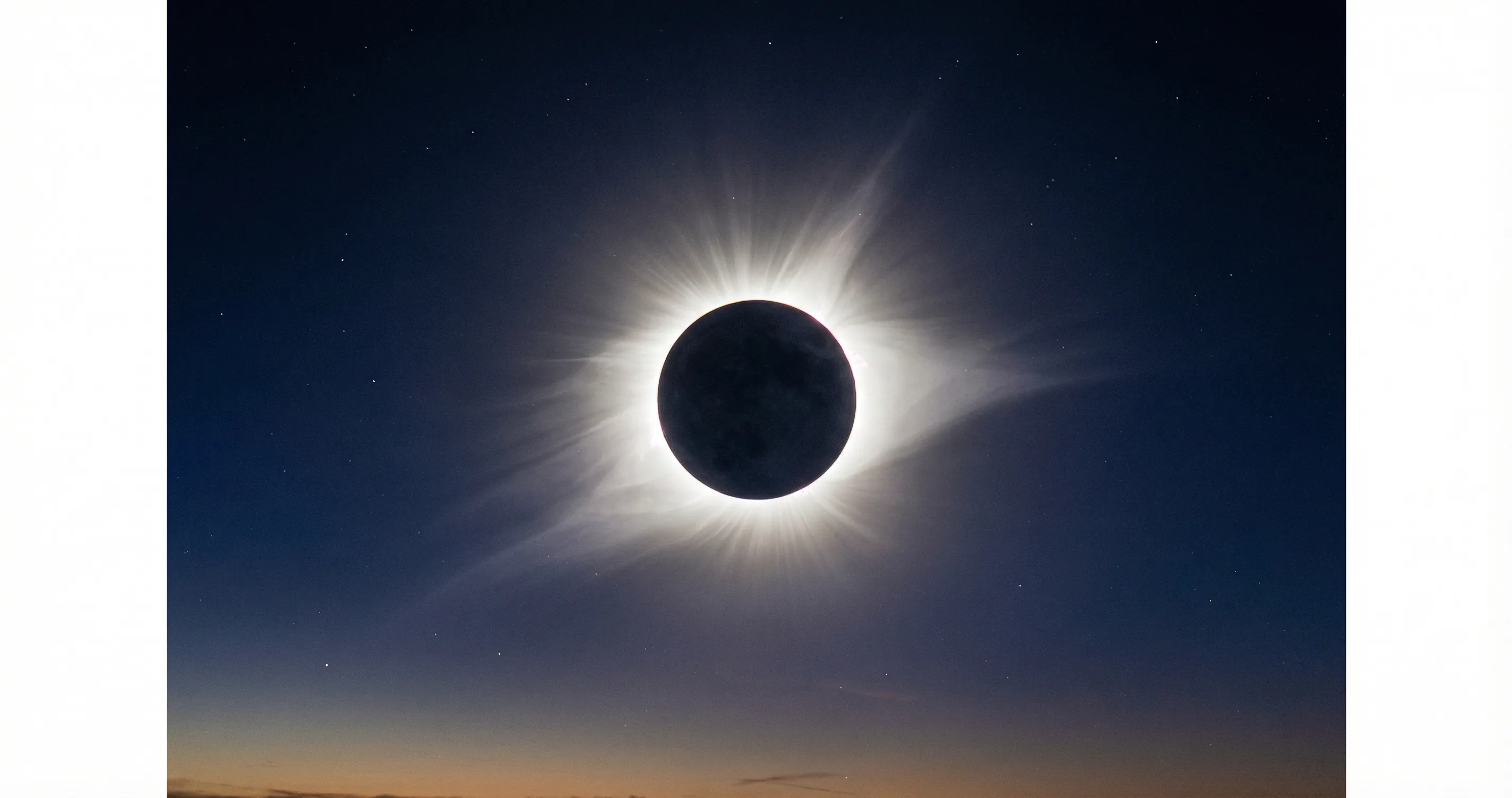
A total solar eclipse will occur on August 12, 2026, with a path of totality crossing the Arctic, Greenland, Iceland, Spain, and a narrow band of Europe. It will be the first total solar eclipse visible from mainland Europe since 1999. Totality will last over two minutes along the central line in the best locations.
An annular ("ring of fire") eclipse earlier in 2026, on February 17, will be visible from parts of South Africa, South America, the South Pacific, and Antarctica. The August 2026 event is the one that will draw large numbers of eclipse chasers to Europe.
Where the August 2026 Eclipse Goes
The path of totality on August 12, 2026, runs from the Arctic and Greenland through the North Atlantic, then across Iceland and into Spain. Major viewing regions include Iceland and northern Spain. Maximum duration of totality exceeds two minutes near the center of the path. Partial phases will be visible across much of Europe, North Africa, and parts of North America, depending on location and time.
When to See It
Eclipse timing depends on the observer's location. In Iceland and Spain, the event occurs in the afternoon (local time). Exact times are published by NASA and sites such as timeanddate.com as the date approaches. Travel and accommodation in the path of totality typically fill up months in advance.
How to View Safely
Looking directly at the sun without protection can cause permanent eye damage. During partial phases, use ISO 12312-2 compliant eclipse glasses or a pinhole projector. Only during the brief total phase, when the sun's disk is fully covered, is it safe to look without eye protection.
What to Watch in 2026
February 17, 2026 brings the annular eclipse for southern-hemisphere viewers. The next total solar eclipse widely visible from the United States is in 2044 and 2045.
Tags
Sources
Related Articles
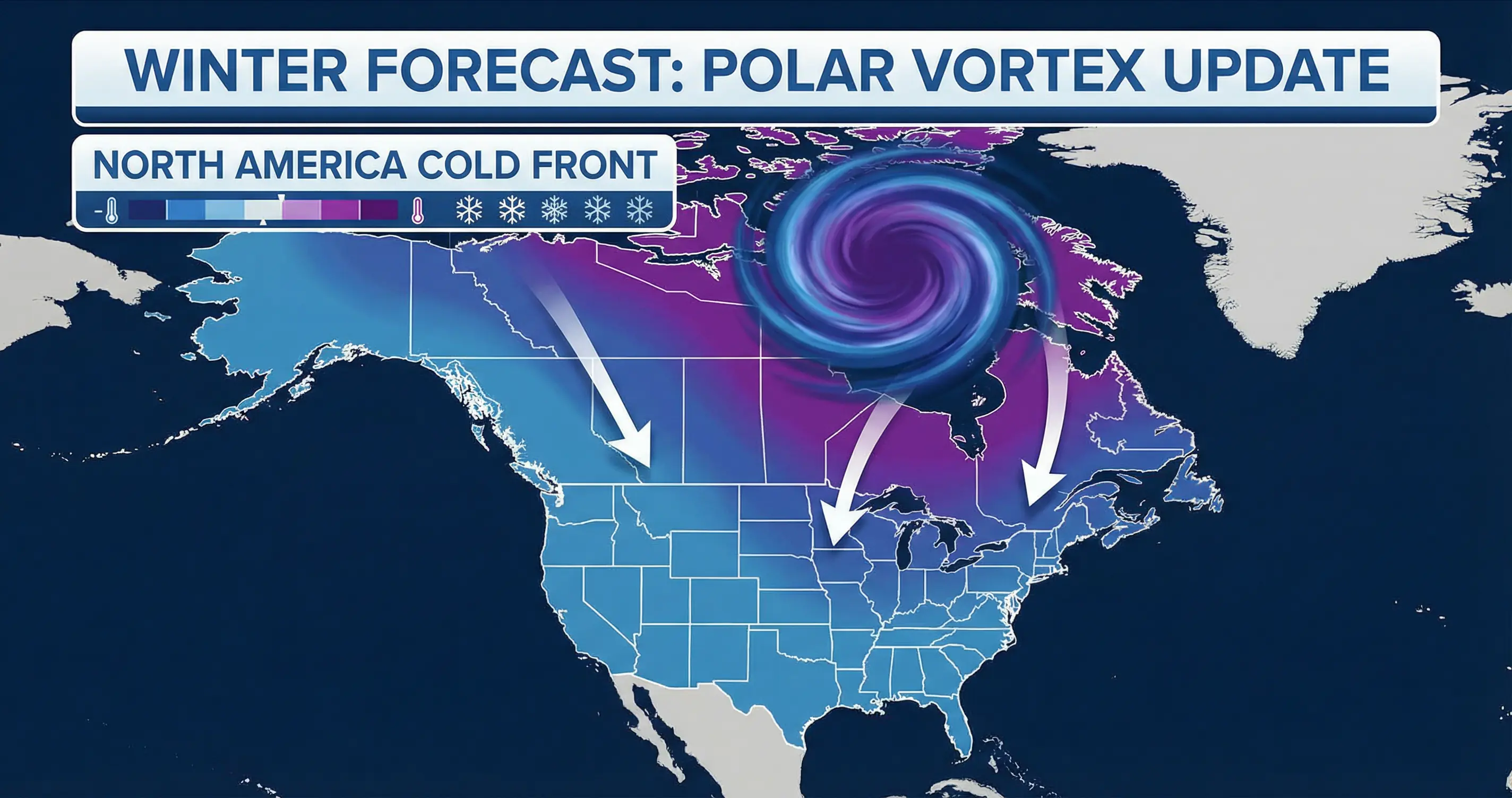
Polar Vortex Split Forecast for February 2025 May Bring Cold to US, Canada
A rare polar vortex split is forecast for mid-February 2025. Sudden stratospheric warming could send Arctic air into North America.
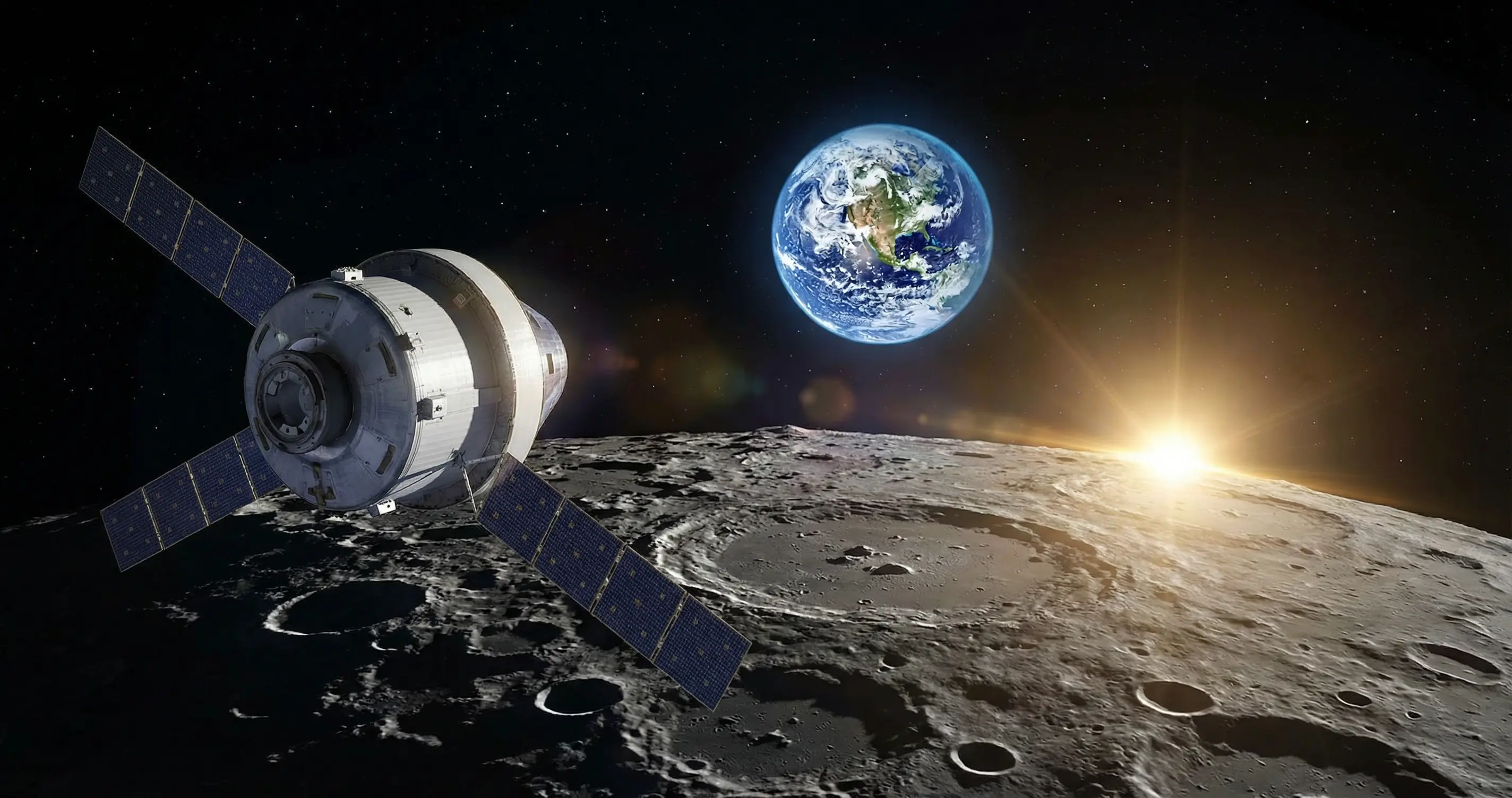
NASA Pushes Artemis II to March 2026, Artemis III Lunar Landing to 2028
Artemis II wet dress rehearsal revealed fueling and valve issues; first crewed lunar flyby is now no earlier than March 2026. Artemis III, the first crewed Moon landing since Apollo, slips to 2028.

Solar and Wind Surpass Coal Globally as Renewable Capacity Hits Records
Solar and wind generated more electricity than coal for the first time in 2025. Global renewable capacity additions reached 793 GW amid record solar deployment in China, India, and the EU.