Polar Vortex Split Forecast for February 2025 May Bring Cold to US, Canada
A rare polar vortex split is forecast for mid-February 2025. Sudden stratospheric warming could send Arctic air into North America.
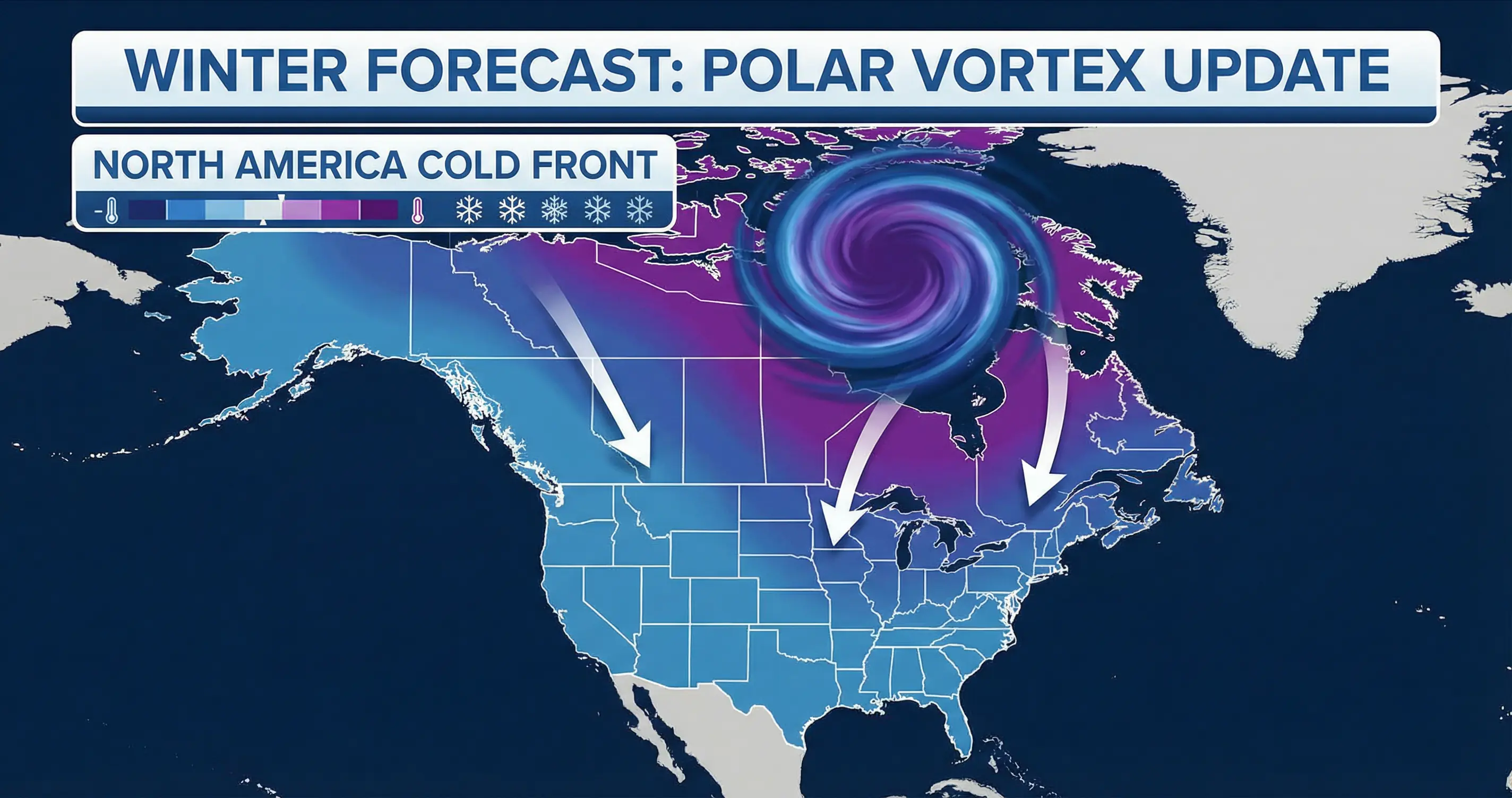
Forecasters are tracking a rare polar vortex split in mid-February 2025 that could send prolonged cold into the United States and Canada. A sudden stratospheric warming (SSW) event is expected to weaken and split the vortex into two smaller circulations, with one core likely to move over North America.
According to Watchers.news and Severe Weather Europe, the polar vortex is a large circulation of cold air in the stratosphere over the Arctic. When it weakens or splits, frigid air can push south into mid-latitudes. Model projections in early February 2025 indicated a major SSW event, potentially producing "daughter vortices"; one of these may shift over North America and increase the chance of Arctic air intrusions into the central and eastern US and southeastern Canada.
Background
Similar events have been linked to severe cold outbreaks. The early 2021 and 2018 stratospheric warming events were followed by extended freezing conditions across large parts of North America. Not every vortex disruption leads to extreme cold at the surface. The outcome depends on "tropospheric coupling"—how and when the stratospheric change connects to the lower atmosphere and affects the jet stream. Forecasters note that stratospheric behavior is hard to predict with precision and that short-term variability can change the result.
What the Models Show
Andrej Flis of Severe Weather Europe reported that the polar vortex was at or above its typical size and stronger than usual in early February, but that forecasts showed a rapid weakening, slowdown, and temperature rise in the stratosphere over the next two weeks. If the split occurs and couples to the troposphere, the Midwest, Northeast, and parts of the Southern US could see more cold outbreaks in late February and March. Central and eastern Canada may also see prolonged winter conditions. The Arctic Oscillation (AO) and North Atlantic Oscillation (NAO) were forecast to turn negative by mid-month, which can support high-latitude blocking and cold air delivery.
Impact
Searches for "polar vortex split" and "polar vortex forecast" typically rise when weather models signal a possible disruption. Utility companies, transport, and emergency managers monitor these forecasts for the risk of ice, snow, and prolonged cold. Past events have caused significant disruption; the exact severity of any 2025 cold spell will depend on the timing and strength of the coupling.
What's Next
Monitor updates from the National Weather Service, Environment Canada, and trusted weather outlets (e.g., Severe Weather Europe, Watchers.news) as the month progresses. If the split is confirmed and propagates downward, expect increased focus on cold and winter storm potential across North America into March.
Tags
Sources
- https://watchers.news/2025/02/04/rare-polar-vortex-split-forecast-for-february-2025-could-bring-prolonged-cold-to-north-america/
- https://www.severe-weather.eu/global-weather/stratospheric-warming-update-winter-polar-vortex-split-core-over-united-states-canada-fa/
- https://www.severe-weather.eu/global-weather/stratospheric-warming-watch-2025-polar-vortex-split-united-states-canada-cold-fa/
Related Articles
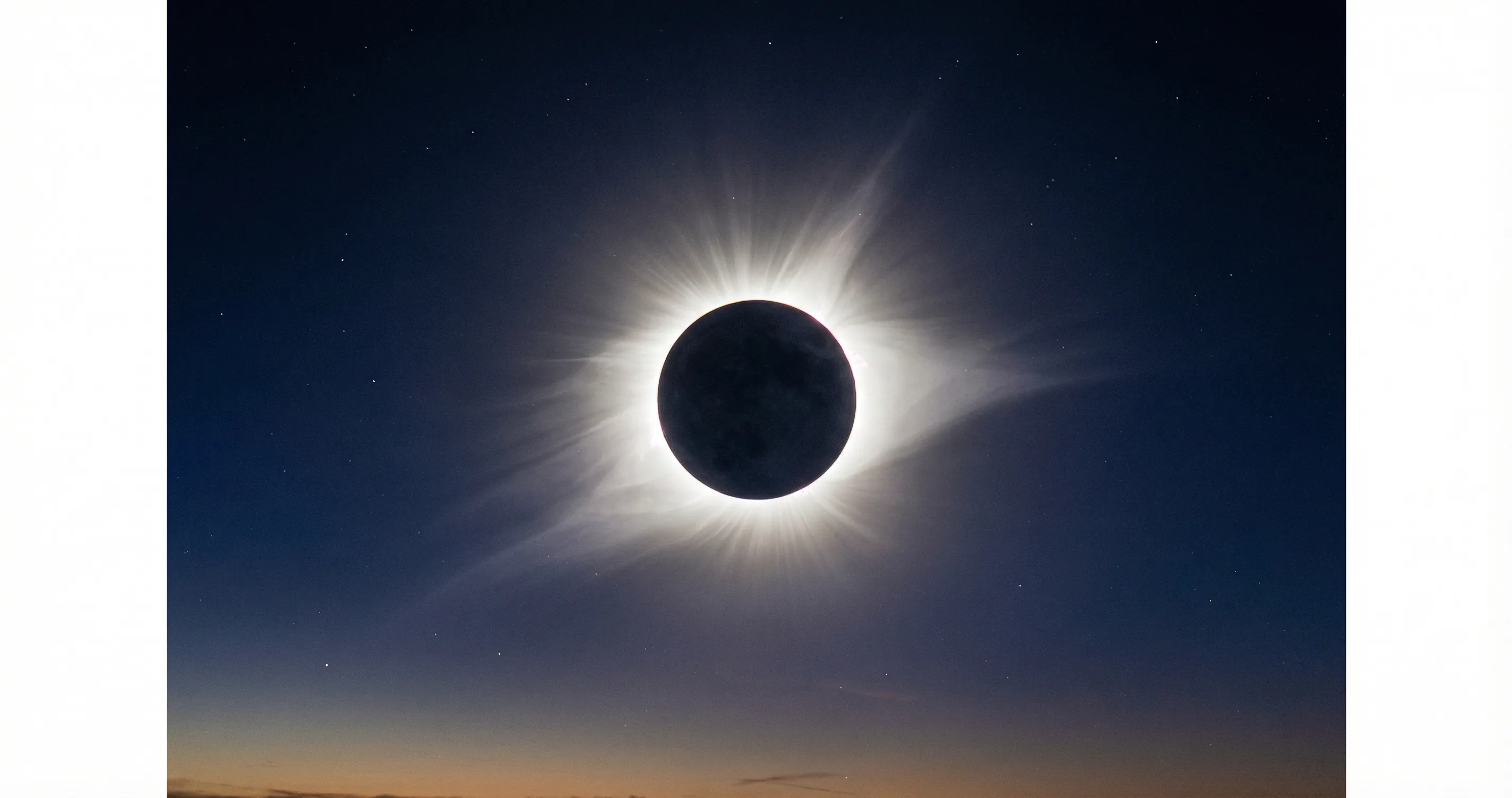
Solar Eclipse August 12 2026: Path, Times, and Where to See Totality
A total solar eclipse crosses Europe and the Arctic on August 12, 2026—the first totality over mainland Europe since 1999. Path and viewing guide.
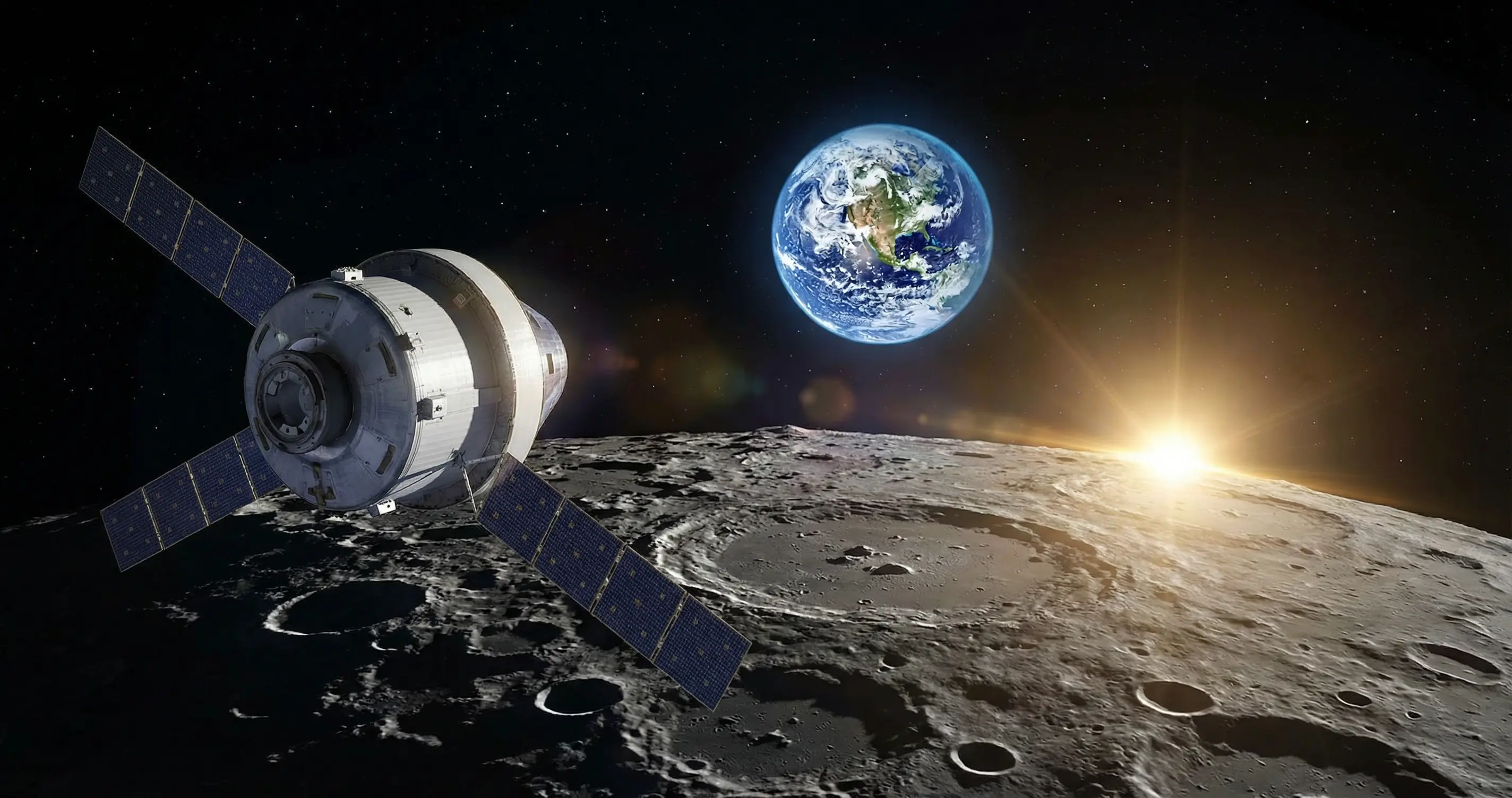
NASA Pushes Artemis II to March 2026, Artemis III Lunar Landing to 2028
Artemis II wet dress rehearsal revealed fueling and valve issues; first crewed lunar flyby is now no earlier than March 2026. Artemis III, the first crewed Moon landing since Apollo, slips to 2028.

Solar and Wind Surpass Coal Globally as Renewable Capacity Hits Records
Solar and wind generated more electricity than coal for the first time in 2025. Global renewable capacity additions reached 793 GW amid record solar deployment in China, India, and the EU.