Solar and Wind Surpass Coal Globally as Renewable Capacity Hits Records
Solar and wind generated more electricity than coal for the first time in 2025. Global renewable capacity additions reached 793 GW amid record solar deployment in China, India, and the EU.
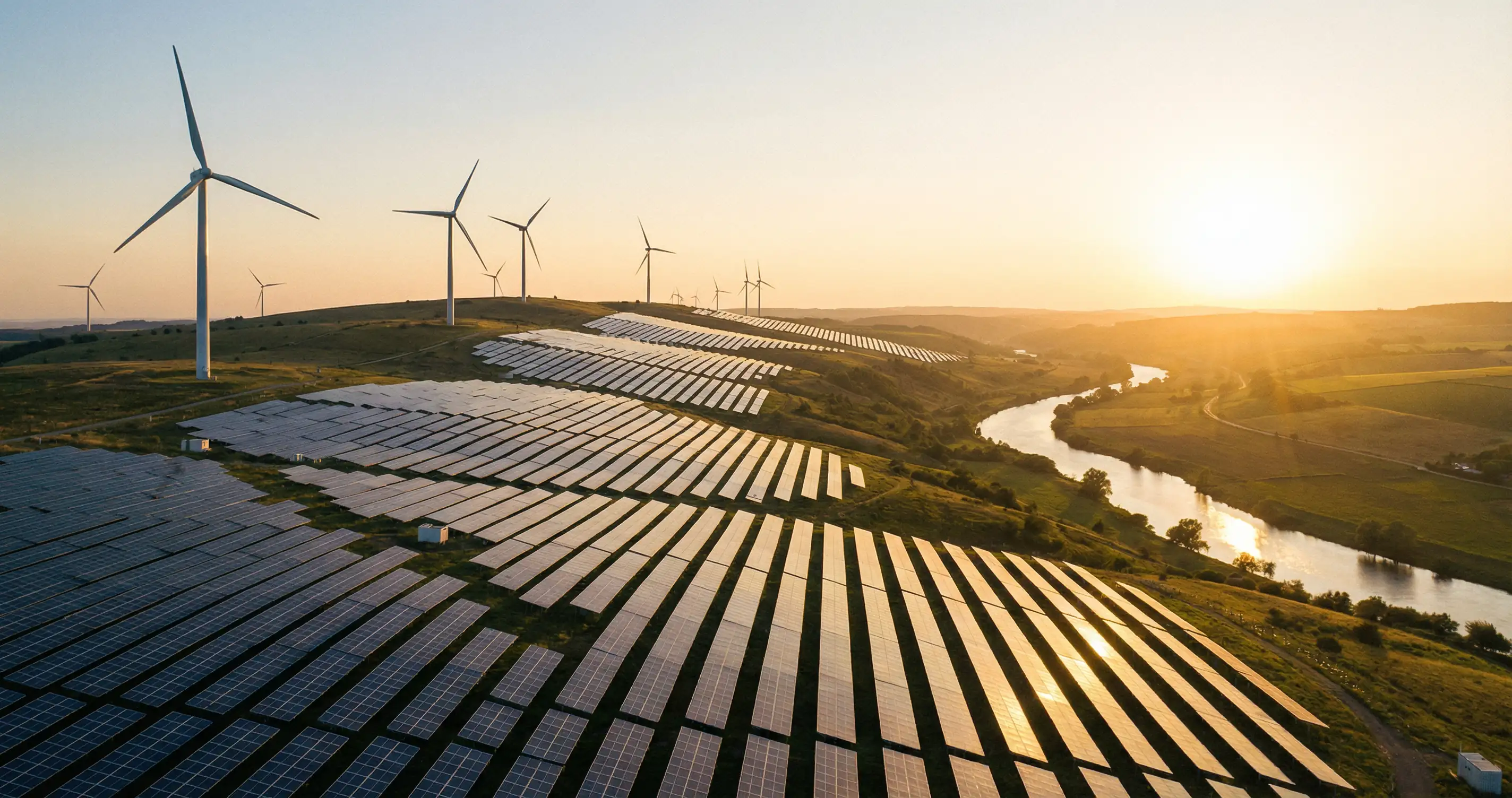
Solar and wind power generated more electricity than coal globally in the first half of 2025 for the first time in history, according to International Energy Agency and industry data. The crossover—5,072 terawatt-hours from solar and wind versus 4,896 TWh from coal—marks a turning point in the world's energy transition as renewable capacity additions hit record levels and China's installed solar capacity surpassed its coal capacity by the end of 2025.
Background
Years of falling technology costs, supportive policies, and rising demand for clean power have made solar and wind the default choice for new generation in most markets. The world added 793 gigawatts of renewable capacity in 2025, an 11 percent increase from the 717 GW added in 2024. Global electricity demand grew by an estimated 4.5 percent in 2025, and renewables are increasingly meeting that growth while displacing fossil fuels. Solar has led the shift: in the first three quarters of 2025, solar generation rose by 498 TWh, up 31 percent, and had already exceeded total solar output for all of 2024.
Key Details
Solar deployment reached extraordinary levels. In the first half of 2025 alone, the world installed about 380 GW of new solar capacity, a 64 percent increase from the same period in 2024. China installed 256 GW in that period—more than twice the rest of the world combined—and added about 315 GW over the full year. China's total installed solar capacity exceeded 1.2 terawatts by end-2025 and, for the first time, surpassed the country's coal capacity. India added 34.98 GW of solar in the first eleven months of 2025, up 67 percent year-on-year, with cumulative solar capacity reaching 132.85 GW. The European Union installed 65.1 GW of solar in 2025, led by Germany (16.7 GW) and Spain (7.5 GW). The United States installed 33 GW through November 2025, and Africa had its fastest year of solar growth, adding about 4.5 GW, up 54 percent.
Wind also set records. The world installed an estimated 150–170 GW of new wind capacity in 2025. China was on course to install about 100 GW of wind by end-2025, with total wind capacity reaching 640 GW. India set a national record of 6.3 GW of wind installations. The U.S. added about 7 GW of wind despite policy uncertainty, up 36 percent from the prior year. Global wind capacity is expected to exceed 2 terawatts by 2030.
Energy storage grew sharply. Global utility-scale storage cell shipments reached about 557 GWh in 2025, up nearly 97 percent year-over-year. China added about 66 GW of new battery storage in 2025, and Texas entered 2026 with 13.9 GW of grid-scale battery capacity, nearly double the prior year. Grid investment exceeded $470 billion globally in 2025, up 16 percent, with the U.S., China, and the EU each accounting for roughly 20–25 percent of spending.
Impact
Coal generation fell in both China and India in 2025 simultaneously for the first time in half a century, despite rising electricity demand—a signal that renewables are capable of meeting new demand without additional coal. In India, coal-fired generation fell by 3 percent in 2025, only the second full-year decline in at least 50 years. Levelized costs for solar continued to fall; new solar plants are now close to matching new natural gas plants on cost in many regions. The structural shift is also geographic: Asia-Pacific dominates new capacity, while Africa, Latin America, and the Middle East are scaling solar and wind from a smaller base.
What's Next
Renewable capacity growth is expected to stay strong in 2026, though wind additions may ease slightly from 2025 peaks as a major development cycle in China completes. Offshore wind will expand, with the U.S. Vineyard Wind I project due to start operations in late 2026 and China eyeing a "breakout year" for offshore wind in 2026. Meeting climate and energy security goals will require higher grid investment—on the order of $600 billion per year by 2030—and faster permitting and grid connection for new projects. Data center and AI-related power demand will add pressure on utilities and renewables to deliver more clean capacity in key markets.
Tags
Sources
Related Articles
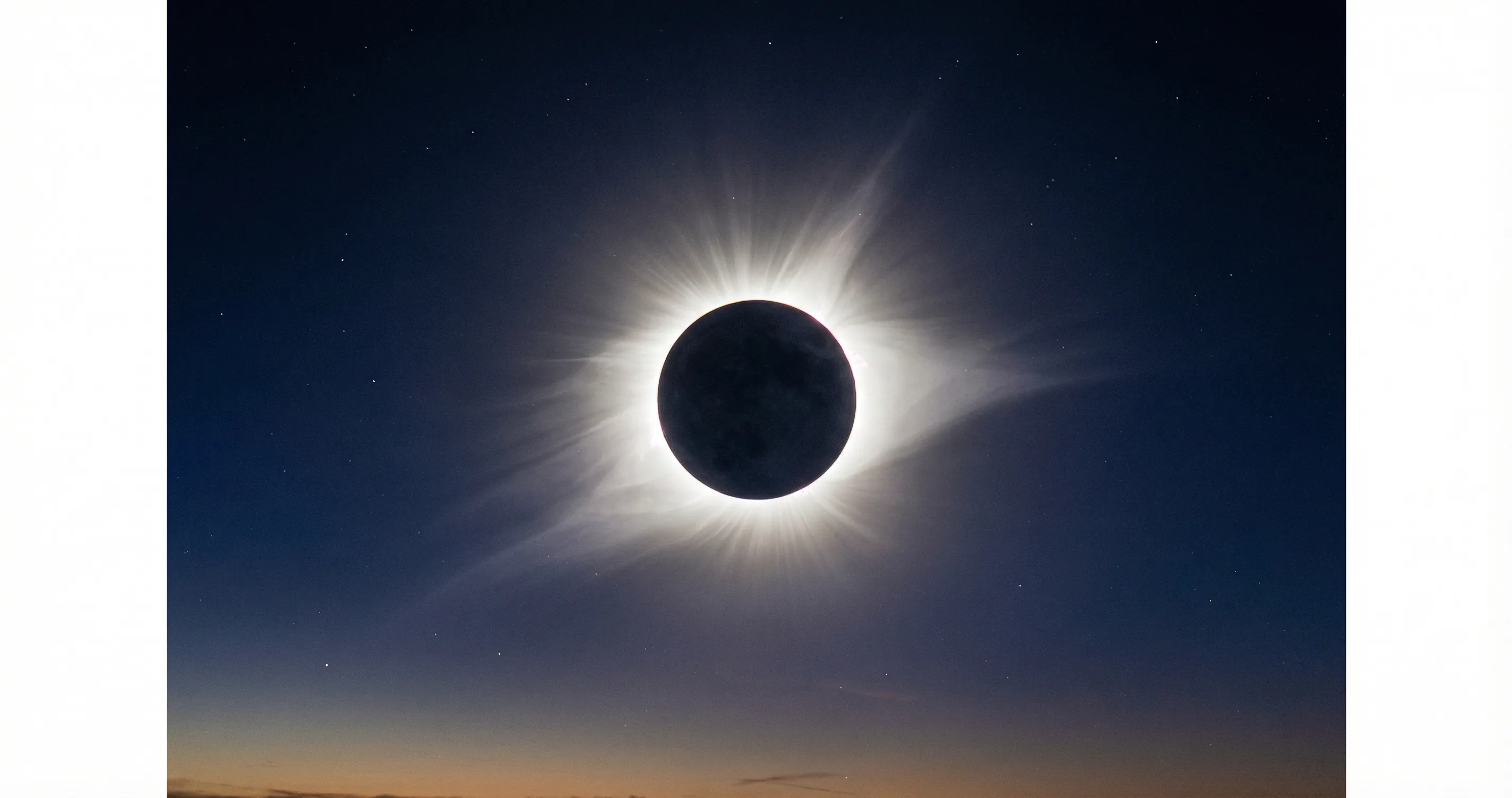
Solar Eclipse August 12 2026: Path, Times, and Where to See Totality
A total solar eclipse crosses Europe and the Arctic on August 12, 2026—the first totality over mainland Europe since 1999. Path and viewing guide.
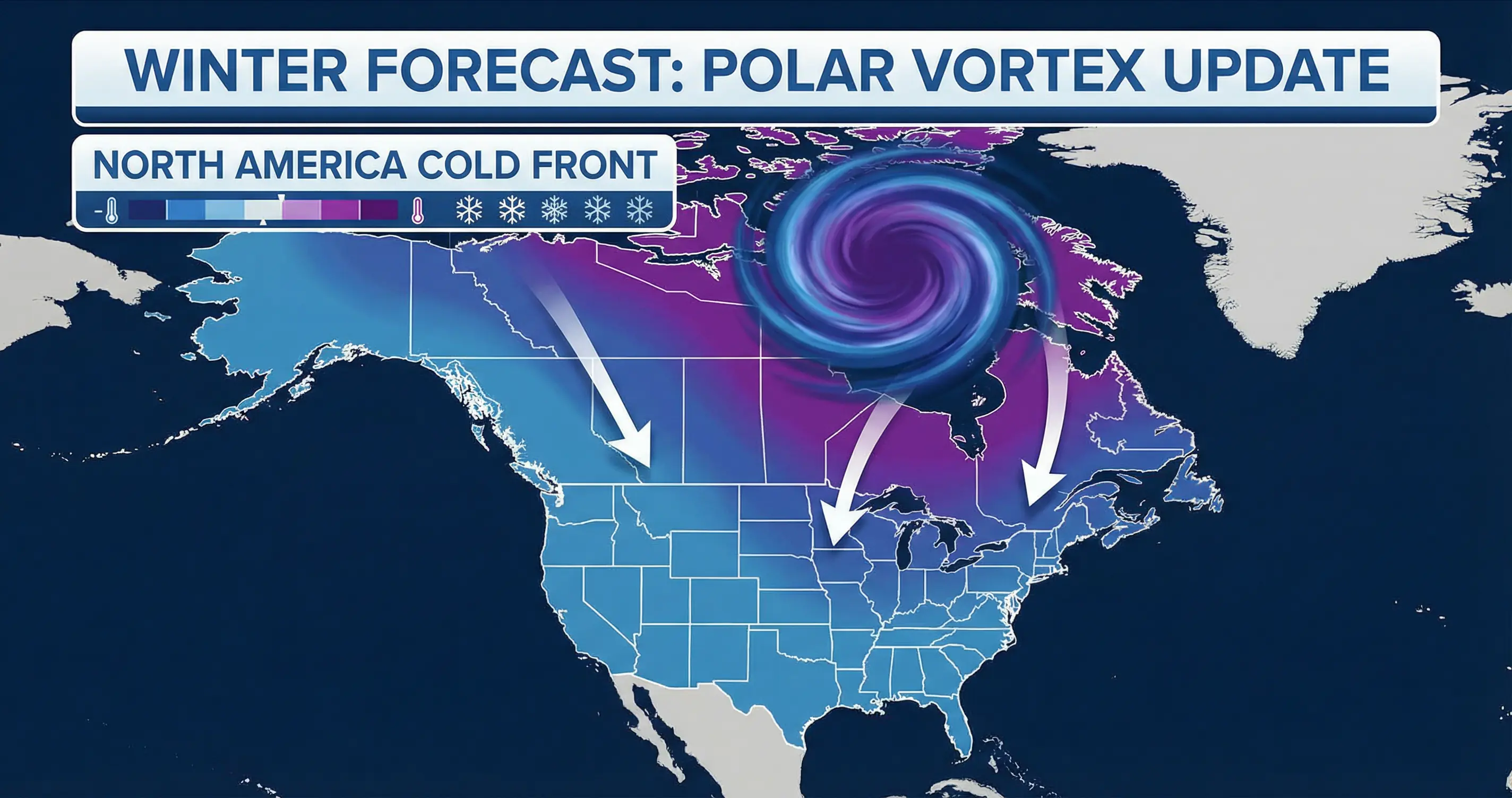
Polar Vortex Split Forecast for February 2025 May Bring Cold to US, Canada
A rare polar vortex split is forecast for mid-February 2025. Sudden stratospheric warming could send Arctic air into North America.
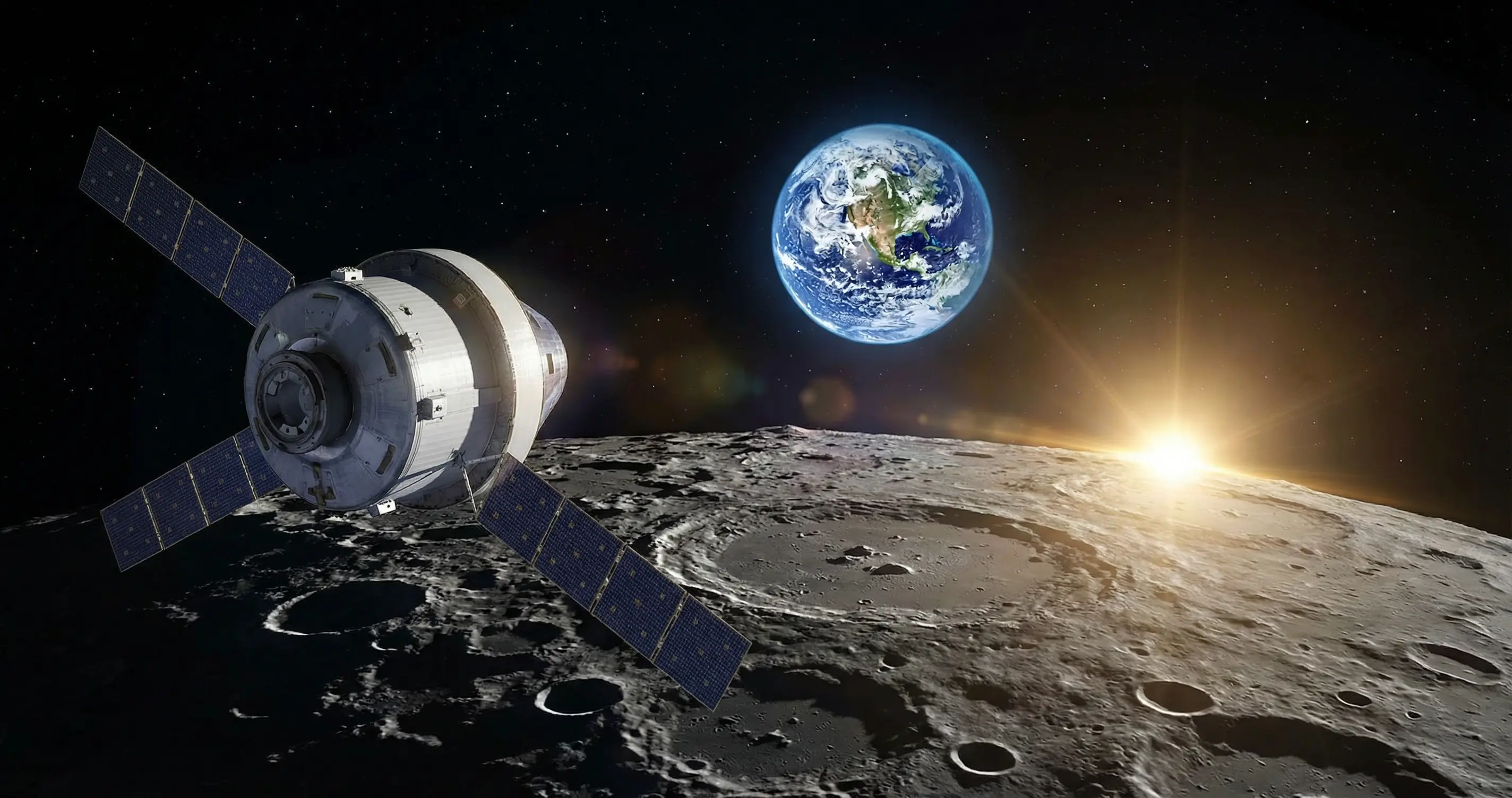
NASA Pushes Artemis II to March 2026, Artemis III Lunar Landing to 2028
Artemis II wet dress rehearsal revealed fueling and valve issues; first crewed lunar flyby is now no earlier than March 2026. Artemis III, the first crewed Moon landing since Apollo, slips to 2028.