M&M's Recall Hits 20 States Over Missing Allergen Warnings
Beacon Promotions Inc. recalls repackaged M&M's in 20 states. Packages lack required allergen labels for milk, soy, and peanuts; FDA classifies the recall as Class II.
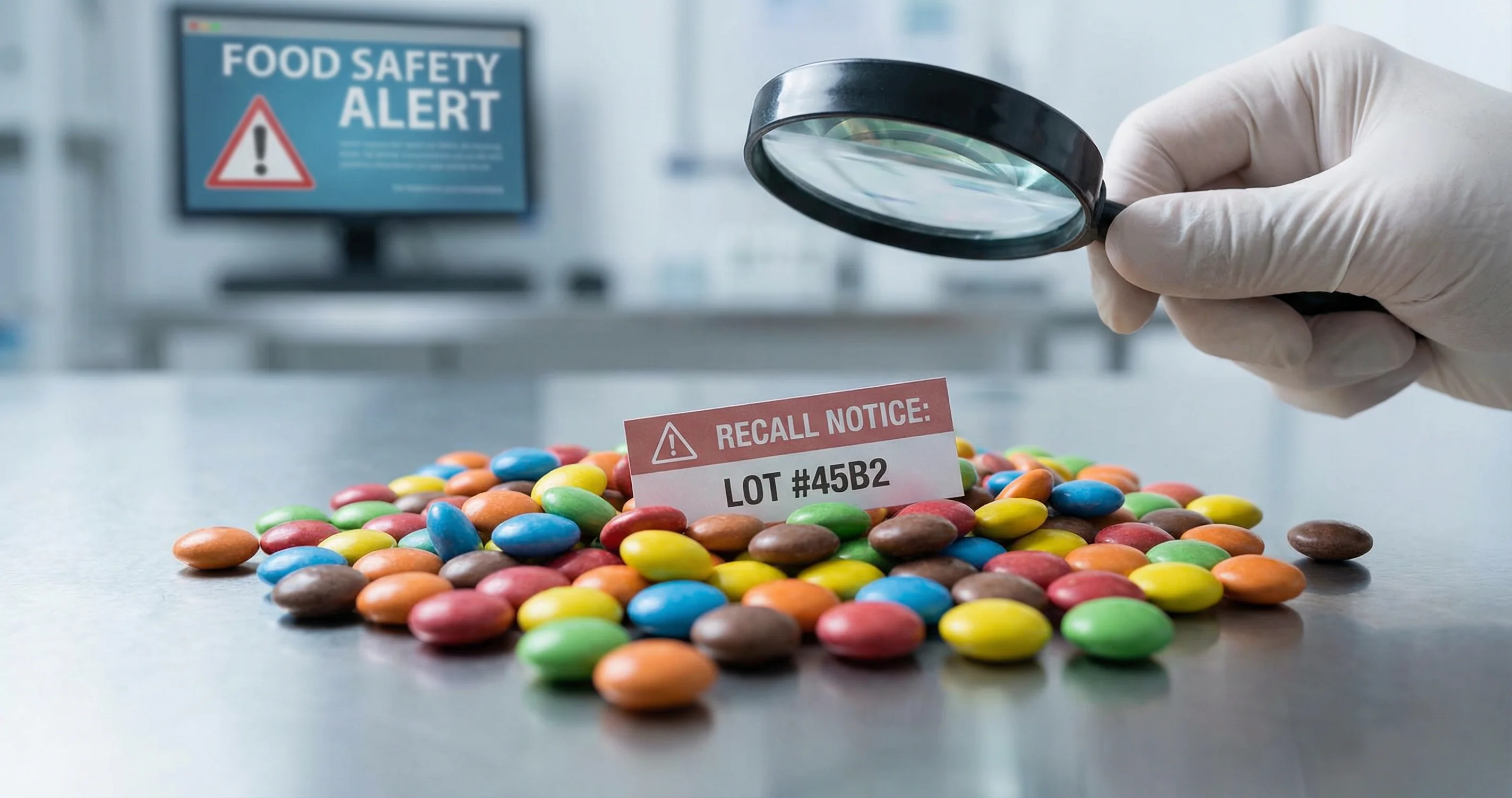
If you picked up a bag of M&M's at a conference, a corporate event, or as a promo gift lately, check the label. A recall is underway for repackaged M&M's sold in 20 states—not the bags you buy at the grocery store, but the ones that go out as giveaways and event swag. The problem: missing allergen information. The packages don’t properly warn that the candy can contain milk, soy, and peanuts, which can be dangerous for anyone with those allergies.
Beacon Promotions Inc. is pulling the affected products. According to the FDA and reports from All Recipes and Fast Company, the recall covers 1.3-ounce bags of M&M's Peanut candies with "Make Your Mark" labels (lot code M1823200, best by date April 30, 2026), plus regular M&M's in assorted promotional packaging. In total, more than 6,000 units are involved. The FDA has classified the recall as Class II, meaning the agency believes consumption "may cause temporary or medically reversible adverse health consequences" for people who rely on allergen labels to stay safe.
Why Only Repackaged M&M's?
Standard M&M's you buy at retail are not part of this recall. Those sit on shelves with full ingredient and allergen info. The issue is with candy that gets repackaged for events—conventions, company swag, trade shows. In those cases, the outer packaging is often custom, and in this run the required allergen statements were left off. So the risk isn’t from the candy itself; it’s from not knowing what’s in it when you have an allergy.
That’s a big deal for anyone with milk, soy, or peanut allergies. A single exposure can trigger anything from hives to anaphylaxis. Clear labeling isn’t optional for them—it’s how they decide what’s safe to eat.
What to Do If You Have the Product
If you have repackaged M&M's that match the description—especially the "Make Your Mark" 1.3-ounce Peanut bags or other promo packs—don’t eat them if you or someone in your household has relevant allergies. You can return them to the place you got them or throw them away. The recall is voluntary but backed by the FDA, which has posted the details so distributors and consumers can identify the affected lots.
The Bigger Picture
Allergen-related recalls are common. Mistakes in labeling or repackaging show up every year across snacks, baked goods, and candy. What’s different here is the channel: event and promo distribution means the candy can end up in lunch bags, desk drawers, and kids’ hands without a second thought. Getting the word out is harder than with a standard retail recall, because there’s no single store or receipt to trace.
For now, the message is straightforward. If your M&M's came from a conference goodie bag or a corporate gift, look at the packaging. If it doesn’t clearly list allergens—or if it matches the recalled lot and branding—treat it as off-limits if allergies are a concern, and spread the word to anyone else who might have received the same batch.
Tags
Sources
Related Articles

ChatGPT Health: How 40 Million People Use AI for Healthcare Questions
OpenAI says 40 million people use ChatGPT for health-related queries. ChatGPT Health can use medical records. Here's what that means and the risks.

Medicare Open Enrollment 2026: Dates, Premium Changes, and What to Do
Medicare open enrollment for 2026 runs October 15–December 7, 2025. Premiums drop, drug cap hits $2,100, and vaccines are free. What to know.

Ozempic vs Wegovy vs Mounjaro: How the Weight-Loss Drugs Compare in 2025
Ozempic and Wegovy use semaglutide; Mounjaro uses tirzepatide. In head-to-head trials, tirzepatide led to greater weight loss. Here's the comparison and what to discuss with your doctor.