Toyota Motor Corporation is shifting its solid-state battery program from laboratory prototypes to commercial manufacturing, setting the stage for electric vehicles with more than double the range of current models by 2027.
The Japanese automaker has spent two decades and amassed over 1,300 patents on solid-state battery technology. Now, with partner Idemitsu Kosan constructing a large-scale pilot plant for sulfide-based solid electrolytes in Ichihara, Chiba Prefecture, Toyota is betting that its patience will pay off in a market dominated by Chinese lithium-iron-phosphate suppliers.
Background
Toyota long faced criticism for its cautious approach to battery electric vehicles. While rivals rushed lithium-ion models to market, the company doubled down on hybrids and fuel cells. The reasoning, executives argued, was that existing battery technology could not solve three problems at once: limited range, slow charging, and fire risk from liquid electrolytes.
Solid-state batteries replace the liquid electrolyte with a solid material. The result is a cell that resists combustion, tolerates faster charging, and stores more energy per kilogram. Toyota's internal research dates to 2006. By 2020, it held the world's largest patent portfolio in the field.
The breakthrough came in mid-2023. Toyota engineers solved a persistent durability problem: cracks that formed in the solid electrolyte as it expanded and contracted during charge cycles. That fix unlocked the path from bench-scale cells to production-grade units.
Key Details
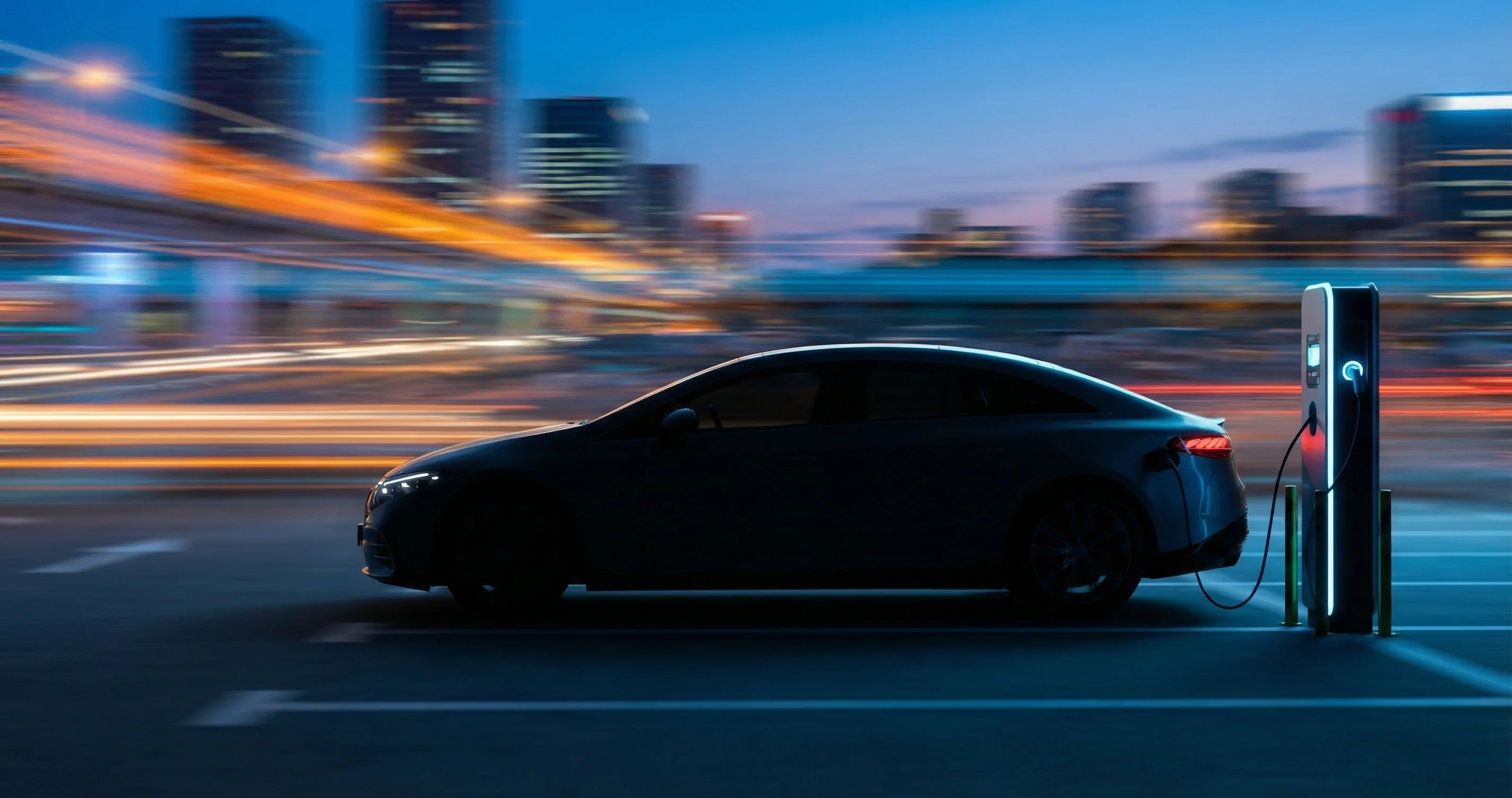
Toyota's first-generation solid-state cells target an energy density of 500 to 600 watt-hours per kilogram, more than double the roughly 220 Wh/kg of today's best lithium-ion packs. Translated to vehicle range, the company projects 1,000 kilometers (621 miles) for its initial cells, with a second generation pushing beyond 1,200 kilometers.
Charging speed is equally striking. Toyota says its solid-state packs will reach 10 to 80 percent state of charge in under 10 minutes, a threshold that would make electric refueling comparable to a gas station stop.
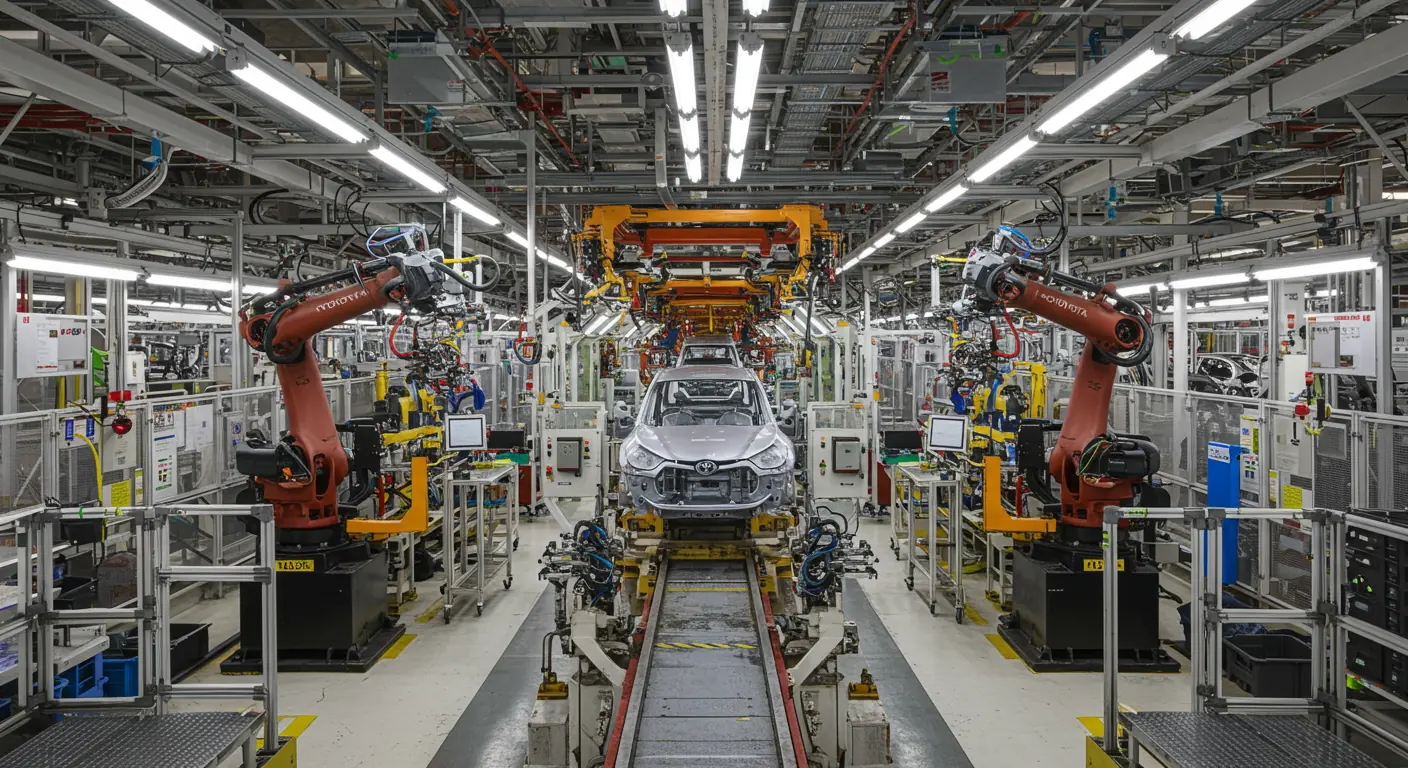
The supply chain is taking shape across Japan. Idemitsu Kosan broke ground in January 2026 on its electrolyte plant, expected to be operational by late 2027. Sumitomo Metal Mining signed on in October 2025 to produce cathode materials. Prime Planet Energy & Solutions, Toyota's joint venture with Panasonic, will handle cell assembly at its Himeji facility.
Initial production volumes will be modest. Toyota plans several thousand vehicles per year at launch, scaling to more than 10,000 annually by 2030. The first models are expected to be high-end Lexus vehicles, where premium pricing can absorb the higher battery cost.
Impact
The financial commitment is substantial. Toyota has earmarked 5 trillion yen ($34 billion) for battery electric vehicle development through 2030, with solid-state research claiming a significant share. Japan's Ministry of Economy, Trade and Industry is backing the effort with roughly 120 billion yen ($800 million) in subsidies aimed at securing domestic battery supply chains.
Morgan Stanley analysts have described the technology as a potential "leapfrog" moment, one that could allow Toyota to bypass the price wars consuming the current lithium-ion market. If the batteries deliver on promised specifications, Toyota would offer range and charging performance that no competitor currently matches.
But skeptics remain vocal. Xin Chen of Benchmark Minerals Intelligence has warned that cost parity with liquid batteries is years away. "Vehicles featuring solid-state batteries would come with a big price tag," Chen said. "They are unlikely to be on the mass market anytime soon."
Toyota's own executives have tempered expectations. Chief Technology Officer Hiroki Nakajima acknowledged in late 2025 that "development is always unpredictable. Frankly, there's no telling if it will work out or not."
What's Next
Before solid-state cells reach customers, Toyota will launch a new lineup of conventional battery EVs later this year. These "Performance" liquid-ion models will target 500 miles of range, serving as a bridge to the solid-state generation.
The company is also pursuing aggressive longevity targets. Toyota engineers aim for a 40-year battery lifespan with 90 percent capacity retention after a decade of use. If validated, that durability would reshape the economics of EV ownership and resale value.
Toyota's timeline has slipped before. The company initially suggested solid-state vehicles by 2025, a date that came and went without a product launch. Whether the 2027 target holds will depend on Idemitsu's electrolyte plant staying on schedule and Toyota's manufacturing engineers solving the remaining challenges of producing solid-state cells at automotive scale.
The stakes extend beyond Toyota's balance sheet. A successful commercial launch would validate a technology that battery researchers have pursued for decades, potentially setting a new standard for the entire electric vehicle industry.